Musculoskeletal Ultrasound
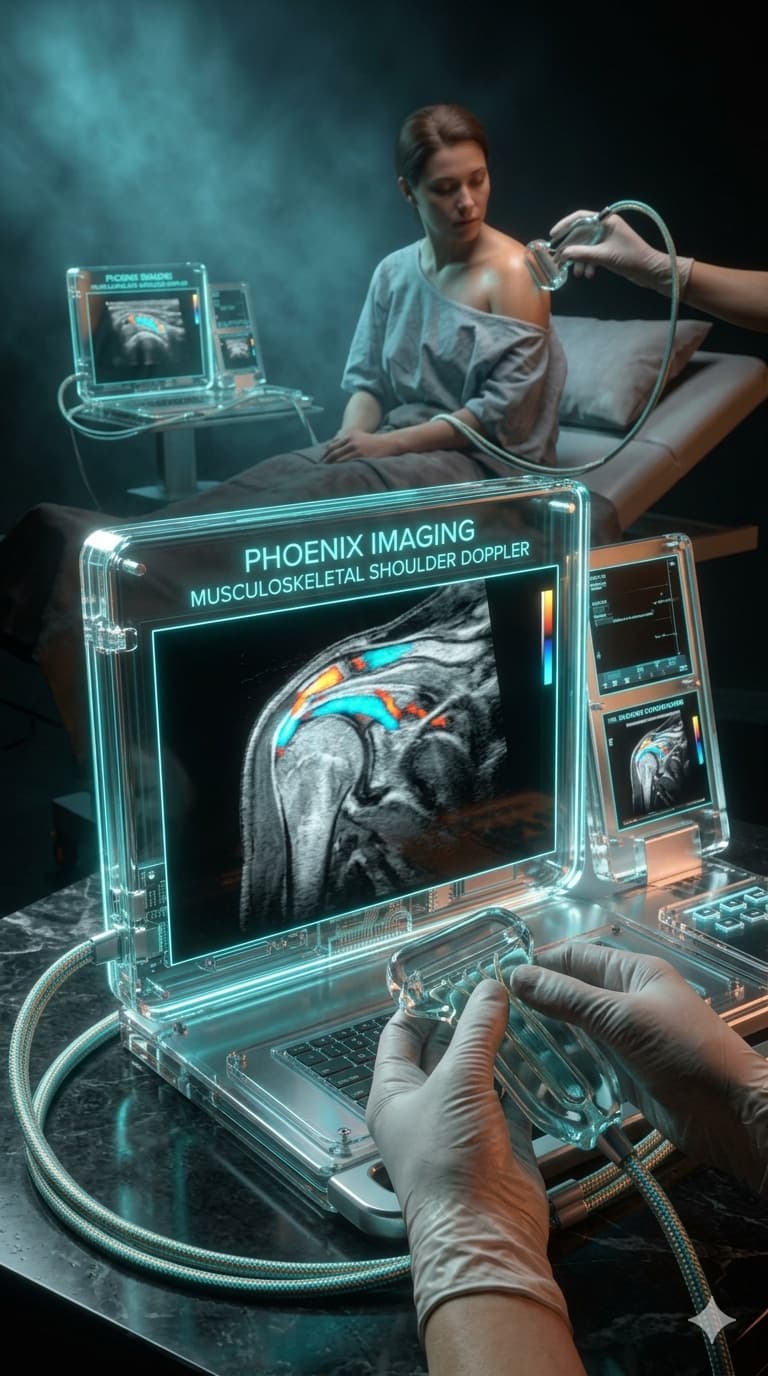
Dynamic assessment of tendons, muscles, and joints — the fastest-growing modality among orthopedists, rheumatologists, and physiatrists.
What this area covers
In action
From the daily grind
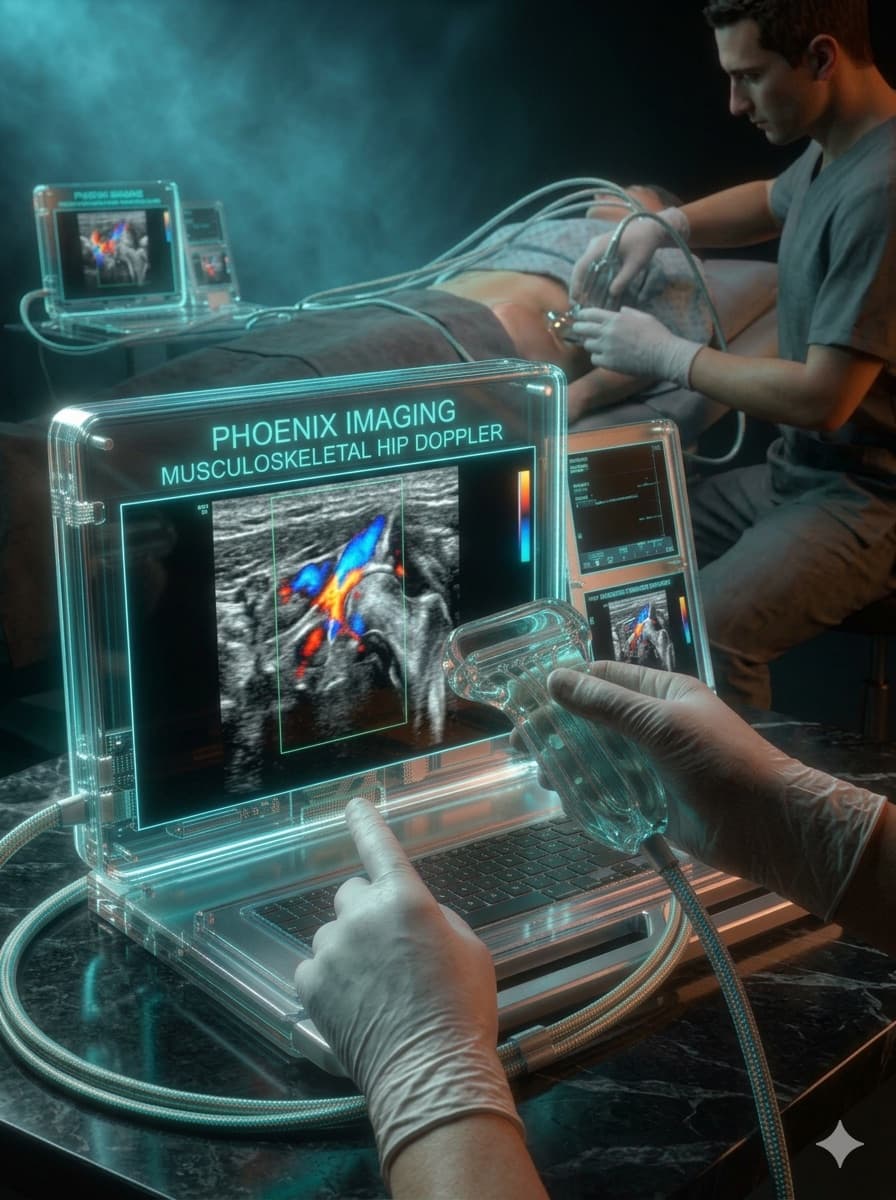
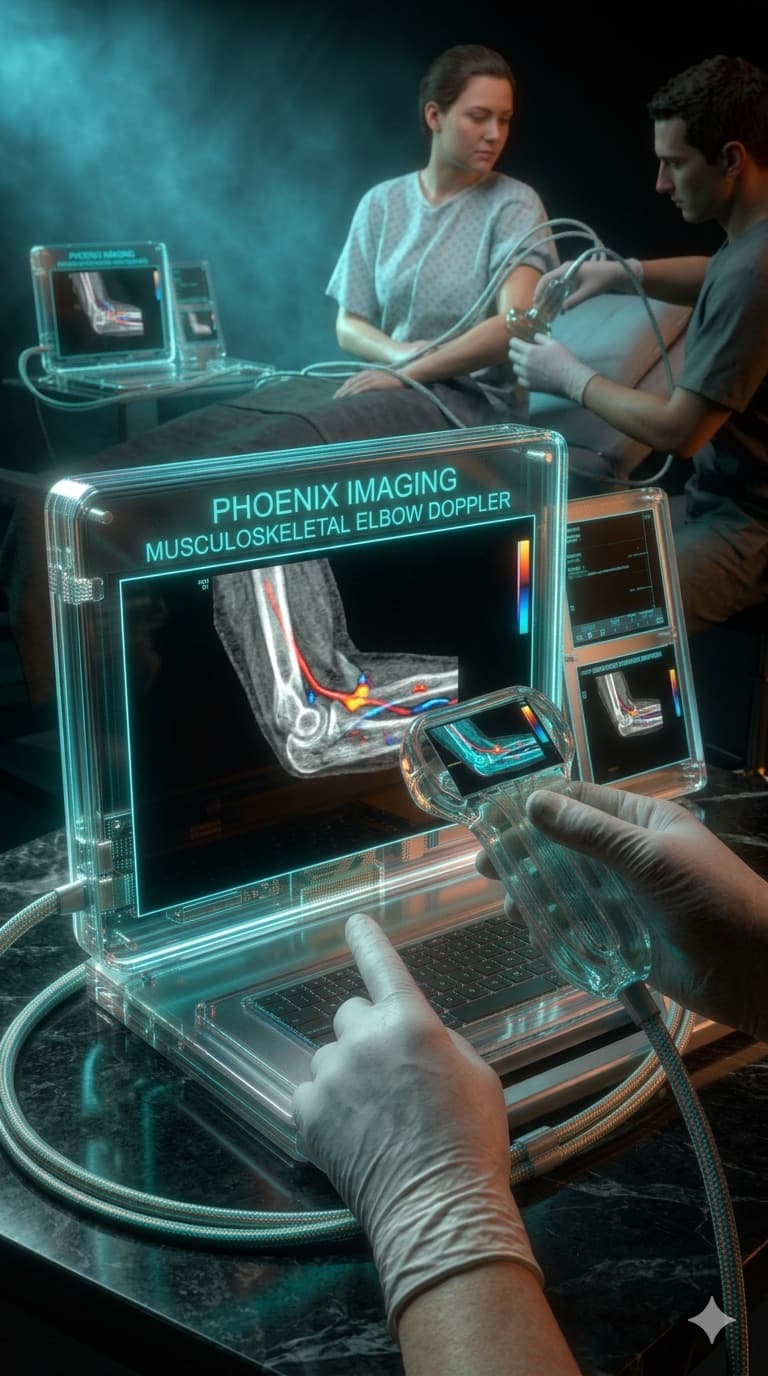
From the daily grind: why musculoskeletal ultrasound theory only clicks once it becomes practice in your routine.
Related cases
See all →
Frequently asked questions
When is musculoskeletal ultrasound indicated instead of an MRI?
Ultrasound is especially useful for dynamic (in-motion) assessment of tendons and superficial structures, for procedure guidance, and as a first-line exam for tendon, bursa and peripheral nerve complaints. MRI is usually preferred for deep bone assessment or complex intra-articular lesions. The choice depends on the clinical hypothesis.
Can musculoskeletal ultrasound assess peripheral nerves?
Yes — this is one of the technique's most valuable applications, allowing assessment of thickening, compression and continuity of nerves such as the median nerve (carpal tunnel) and other peripheral nerves, with good resolution for superficial structures.
Can ultrasound-guided procedures be done during the same exam?
Yes, ultrasound allows guiding procedures such as injections and aspirations with real-time needle visualization, increasing precision and safety compared to blind techniques.
Do I need a doctor's order for a musculoskeletal ultrasound?
Yes — like any imaging exam, musculoskeletal ultrasound should be ordered based on a clinical assessment, so the correct region and technique are chosen according to the patient's complaint.
In the meantime, start here
Want to explore other areas?
See the full map of the ultrasound universe.